
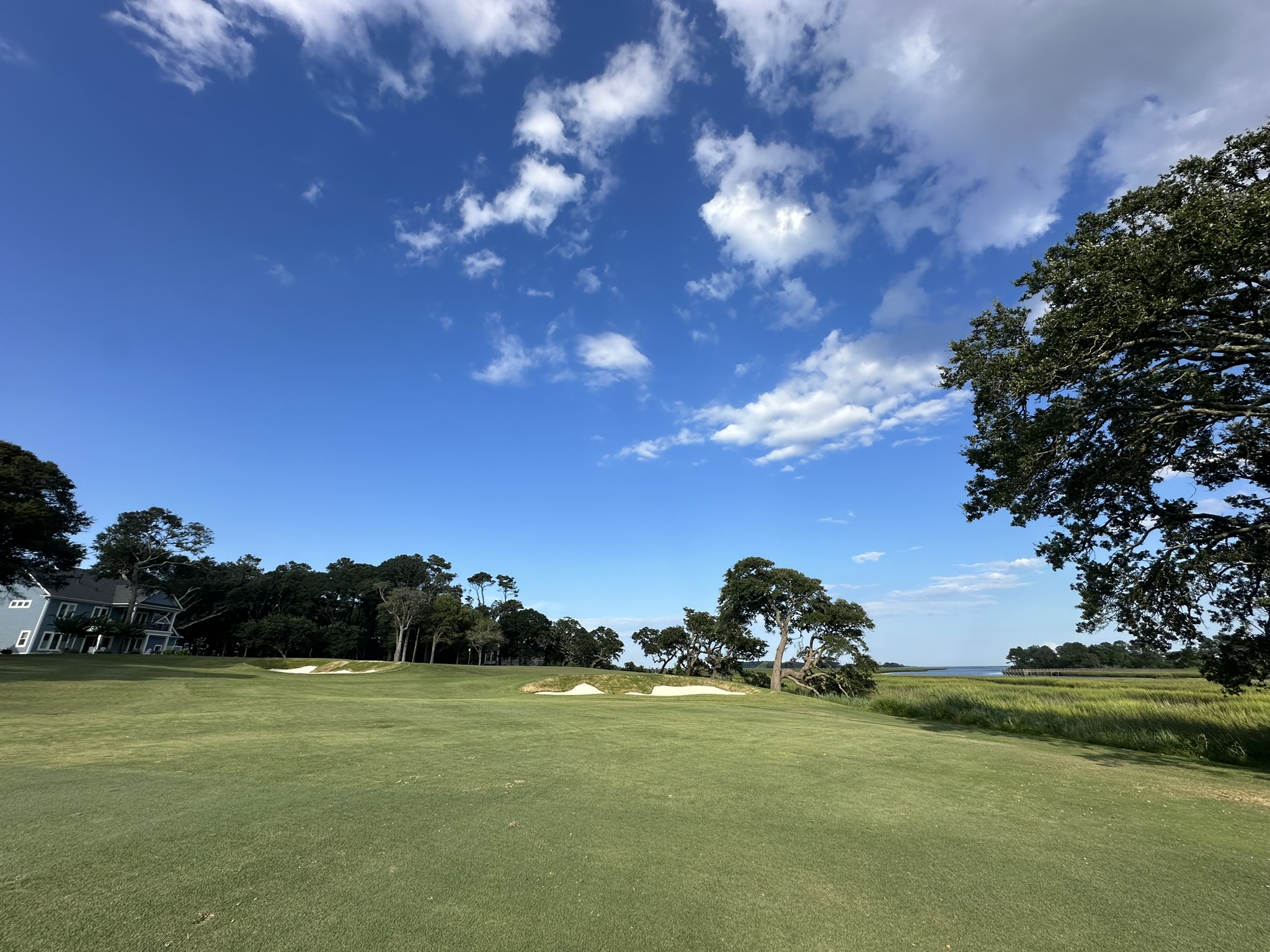
photo taken August 26, 2025
This summer, golfers in North Myrtle Beach, SC (ZIP 29582) experienced one of the driest stretches in recent memory—until just recently, when some crucial rainfall arrived. Below we explore how turf managers kept the course playable through the drought and how recent rains are helping recovery.
Local Summer Rainfall Overview
Typically, summer precipitation in Little River (29582) is fairly generous:
-
June averages about 4.45 inches
-
July, around 5.5 inches
-
August, approximately 6.3 inches Time and Date+1US Climate Data+1
That sums to roughly 16.3 inches of rainfall in a typical summer season.
However, this year (Summer 2025) has been unusually dry. According to the U.S. Drought Monitor, Horry County—which includes Little River—was part of the driest January through June period in over a century, with precipitation nearly 3.9 inches below normal Drought.govwltx.com. While detailed monthly totals for July and August 2025 aren’t yet published, on-the-ground reports confirm summer rainfall fell well below seasonal normals—greens and fairways experienced extended dry periods far longer than usual.
Only in late August and early September did steady rains begin to arrive, breaking weeks of dryness and finally delivering meaningful moisture for the turf.
The Reality of Drought This Past Summer
When precipitation lags nearly 4 inches behind normal by mid-summer, the ecosystem begins to strain:
-
Turfgrasses went weeks without meaningful rain, especially in July.
-
Soil moisture dropped sharply, stunting root growth and weakening stress resilience.
-
Heat and high evaporation combined to stress warm-season grasses, even drought-tolerant varieties.
-
The U.S. Drought Monitor continued to classify the region under severe drought into May and beyond Time and Date+2weatherspark.com+2dnr.sc.gov+2Drought.gov+3wmbfnews.com+3weather.gov+3.
It wasn’t just about aesthetics. Turf health, playing conditions, and long-term sustainability were all under pressure.
Precision Watering to Stretch Every Drop
With deliveries well below the normal 16+ inches, golf course superintendents had to embrace surgical irrigation practices:
-
Greens and tees remained priorities; fairways received reduced water, and rough areas were often left untreated except for extreme dry spots.
-
The team implemented nighttime irrigation, minimizing evaporation losses and preserving moisture during cooler hours.
-
Hand-watering became common: staff walked greens nightly to spot-treat dry patches instead of overwatering other areas.
-
Soil moisture sensors, weather-based irrigation programming, and GPS control zones were used to minimize waste and target stressed areas with precision.
Turf Choices & Cultural Practices for Survival
In an environment where rainfall dropped to well under half the usual, every cultural strategy counted:
-
Warm-season grasses (e.g. Bermuda or Zoysia) with deeper roots were favored; these varieties better resist prolonged heat and low moisture.
-
Mowing heights were raised to reduce stress—taller turf shades soil and slow evaporation.
-
Deep aerification and topdressing helped water penetrate compacted soils and reach root zones.
-
Wetting agents (surfactants) were applied to improve water distribution and retention.
-
Fertilizer applications were scaled back, avoiding lush top growth that would demand more water—stress tolerance was prioritized instead.
Communicating with Golfers Through the Dry Spell
As the course faded from lush green to patchy brown, open communication helped:
-
Signage, newsletters, and emails informed golfers about the drought, explaining why some zones looked dry and why irrigation was minimized.
-
Messages emphasized environmental responsibility: conserving our limited water resources and maintaining playability where possible.
-
Positive feedback came in—members appreciated transparency and recognized the effort to keep critical playing surfaces alive under harsh conditions.
Post-Rain Recovery: What the Recent Rain Means
Now that late-summer rainfall has finally broken into Little River:
-
Turf across greens and fairways is showing green-up, deeper rootzone moisture, and renewed vigor.
-
Water reserves in shallow soil profiles are replenishing, easing the need for constant manual watering.
-
Recovery is gradual—areas heavily stressed this summer may take weeks to fully rebound.
-
Moving forward, ongoing cultural maintenance (aerification, targeted feeding, and moisture monitoring) will support long-term recovery and strengthen turf for next dry season.
Long‑Term Drought Strategies for Little River Courses
Looking ahead, drought-proofing a golf course in the 29582 area requires proactive planning:
-
Upgrade or maintain efficient irrigation systems, such as variable rate, zone-based controllers and soil moisture sensing.
-
Convert to drought‑tolerant turf varieties, when feasible—either hybrid turf or overseeding programs that favor deeper root growth.
-
Integrate native landscaping or xeriscaped buffer areas around course edges to reduce overall water demand.
-
Coordinate with local water authorities, staying ahead of potential restrictions and participating in conservation programs.
-
Develop formal drought‑action plans: triggers for reduced irrigation, emergency water sources, and communications protocols for members and guests.
Final Thoughts
This summer in Little River, SC (ZIP 29582), brought a stark reminder: even in traditionally humid climates, drought can deliver months of stress if rainfall falls well below the typical 16 inches of combined June‑August precipitation. Soil dryness, high temperatures, and below-average rainfall turned maintenance into a science of prioritization and precision.
But with the recent rains finally arriving, our turf professionals are now guiding the course back to health—thanks to careful irrigation strategies, adaptive cultural practices, and a transparent connection with golfers.
Maintaining a golf course in such an extreme drought isn’t just about grass—it’s about resilience, stewardship, and planning for the future.
#GolfCourseMaintenance
#DroughtManagement
#TurfCare
#SustainableGolf
#GolfSuperintendent
#MyrtleBeachGolf
#LittleRiverSC
#GolfCourseLife
#WaterConservation
#GolfCourseGreens
#SouthCarolinaGolf
#GCSAA
#DroughtRecovery
#TidewaterGolf